How to Enhance User Experience with Modern Web Design Trends in Reading
Explore the latest web design trends that enhance user experience and boost engagement for your website in 2023.
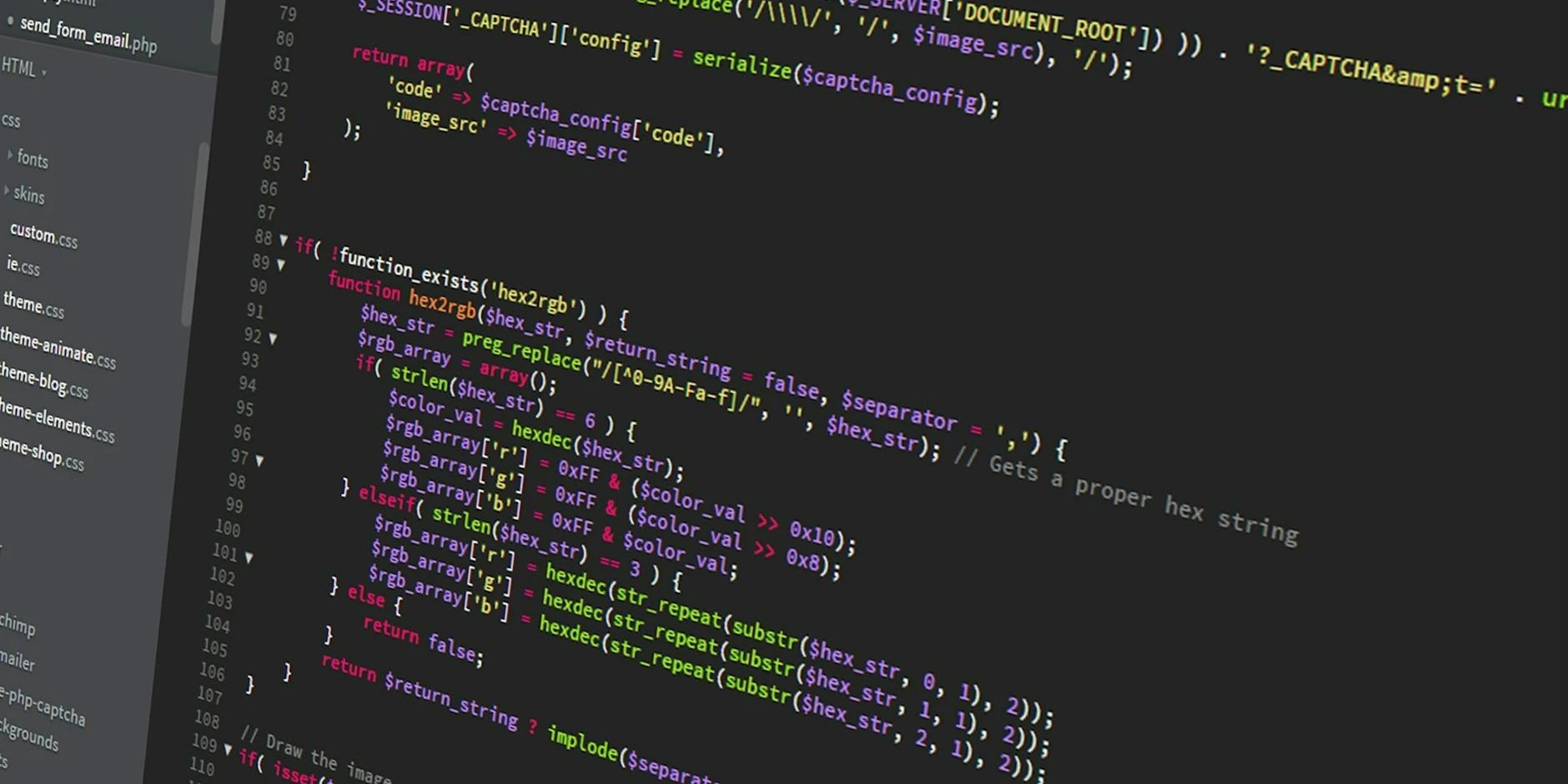
Explore the latest web design trends that enhance user experience and boost engagement for your website in 2023.
In the ever-evolving landscape of digital design, staying ahead of the curve is essential for businesses that wish to create a memorable user experience. This year, we have observed a few standout trends that not only enhance aesthetics but also cater to the functional demands of users. By understanding and implementing these trends, brands can significantly improve their online presence.
The popularity of dark mode continues to rise, offering users a visually appealing alternative that reduces eye strain, especially in low-light environments. This trend not only enhances user comfort but also brings a modern touch to website aesthetics. Incorporating dark mode options into your design can lead to increased user engagement and satisfaction.
With attention spans shortening, minimalist design has become essential. Websites that embrace simplicity—focusing on essential elements and intuitive navigation—allow users to find what they need without unnecessary distractions. Clean layouts and straightforward menus contribute to a smoother user experience, keeping visitors engaged and encouraging exploration.
Subtle animations and micro-interactions can significantly enhance user experience by providing feedback and guiding users through their journey. These tiny design elements, such as animated buttons or loading indicators, create a sense of responsiveness and engagement, making interactions feel more natural and enjoyable.
As the digital world becomes more accessible, inclusive design practices are gaining traction. Websites that prioritise accessibility ensure that all users, regardless of their abilities, can navigate and engage with content effortlessly. This involves considering colour contrast, text size, and alternative text for images, as well as providing keyboard navigation options.
With an increasing number of users accessing websites through various devices, responsive design is no longer optional. Ensuring that your site adapts seamlessly to different screen sizes enhances usability and improves user retention. Adaptive design techniques can also be employed to tailor content specifically for device types, further enriching the user experience.
Sustainability is becoming a key consideration in web design. Brands are increasingly opting for eco-friendly hosting solutions and designing websites that consume less energy. This approach not only aligns with growing environmental concerns but also appeals to a conscious consumer base looking to support responsible businesses.
In a time when data privacy is paramount, users appreciate transparency regarding how their information is collected and used. Incorporating clear privacy policies and consent forms into your web design not only builds trust but also enhances the overall user experience by making users feel safe and informed.
As we navigate through 2023, embracing these modern web design trends can significantly enhance user experience. By prioritising aesthetics, functionality, and accessibility, brands can create engaging digital environments that cater to the diverse needs of their users. Ultimately, a well-designed website not only serves its purpose but also tells a story that resonates with visitors, encouraging them to return time and again.
| Trend | Benefit |
|---|---|
| Dark Mode | Reduces eye strain and enhances aesthetics |
| Minimalism | Improves navigation and user focus |
| Micro-Interactions | Enhances engagement and user feedback |
| Inclusive Design | Ensures accessibility for all users |
| Responsive Design | Adapts to various devices and screens |
| Sustainability | Aligns with eco-friendly practices |
| Data Privacy | Builds trust and informs users |
Was this helpful? 
Compare prices for Web Design, Logo Design, Branding SEO and SMM in UK now
© 2026 mobo.co.uk. All Rights Reserved. MOBO – Give your brand the MOBO magic!.